



Chibi Figures vs Scale Figures: Which Anime Figure Style Should You Collect?
 Choosing between chibi figures and scale figures is less about finding the objectively “better” format and more about deciding how you want your collection to look, grow, and fit into your space. Chibi figures emphasize expressive, compact character designs, while scale figures usually make a stronger standalone display piece.
This guide compares the two styles by display needs, character presentation, collecting goals, gifting, and buying commitment so you can decide what belongs on your next Bahomu order.
Chibi figures vs scale figures at a glance
| Consideration | Chibi figures | Scale figures |
|---|---|---|
| Visual style | Stylized proportions and an expressive, playful appearance | Character proportions and details interpreted at a stated scale |
| Display approach | Well suited to groups, themed rows, and smaller display areas | Often works as a focal point with more room around the figure |
| Collecting goal | Building character groups or mixing several favorites | Highlighting a favorite character, costume, or pose |
| Space planning | Often easier to arrange in compact collections, but dimensions still vary | Requires careful attention to height, width, depth, pose, and base |
| Gift suitability | A friendly choice when you know the recipient’s character or series preference | Best when you know the recipient wants the specific design and has display room |
| Buying commitment | Can be approachable for starting or expanding a collection | Usually calls for more deliberate comparison of design and display requirements |
These are practical tendencies rather than universal rules. Always use the individual product listing to confirm dimensions, included parts, order status, and other available details before purchasing.

Choose chibi figures for expressive group displays
Chibi figures reinterpret characters with exaggerated heads, simplified proportions, and personality-forward expressions. They are a strong choice when the joy of collecting comes from seeing several characters together rather than making one large figure the center of the shelf.
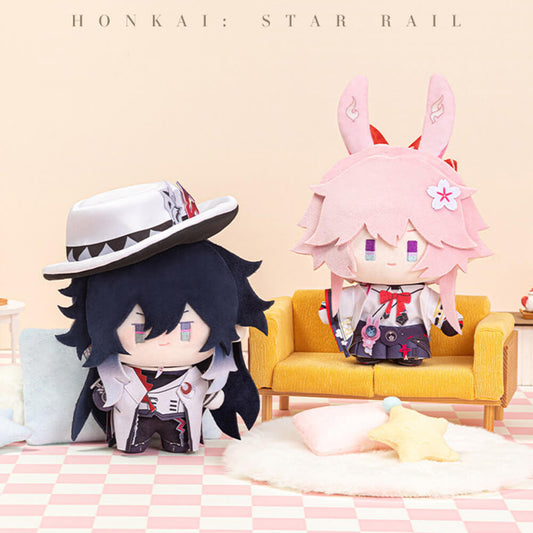
For example, the Honkai: Star Rail Nameless Medal Series Chibi Figures suit a collection organized around a shared series aesthetic. A coordinated line can make it easier to create a visually consistent desk or shelf display while still letting each character stand out. If you enjoy playful, seated tabletop styling, the Honkai: Star Rail Welcome to Train Tea Party Chibi Figure shows how a themed scene can add character to a compact shelf.
Who should collect chibi figures?
- Collectors with several favorite characters: Chibi lines make it natural to build a cast-focused display instead of choosing only one centerpiece.
- Collectors using desks or smaller shelves: Their compact visual format can be easier to arrange, although you should still check every product’s listed dimensions.
- Fans who prefer cute character interpretations: Chibi styling highlights expressions, recognizable colors, and personality over realistic proportions.
- New figure collectors: A favorite chibi can be a manageable way to test where and how you enjoy displaying figures.
- Gift shoppers: A chibi figure can feel accessible and fun when you know the recipient’s favorite game and character.
When chibi may not be the right choice
Choose another format if you want the closest possible representation of a character’s full outfit, body proportions, or dramatic in-game presence. Chibi styling intentionally transforms those elements. It is also worth checking whether a product is sold as a specific character, a selectable lineup, or a randomized item rather than assuming how the figures are packaged. Series such as the Honkai: Star Rail LOOKUP Series Chibi Figures can be offered as a set or lineup, so confirm the listing details before ordering.
Choose scale figures for a statement display
A scale figure is designed around a stated ratio such as 1/7 or 1/8. This format is usually the stronger option when your priority is a particular costume, pose, silhouette, or character-focused scene. Rather than filling a shelf quickly, many collectors select scale figures individually and give each one visual breathing room.
The Honkai: Star Rail Kafka Star Rail LIVE Ver. 1/8 Scale Figure, for instance, is the kind of product to consider when the specific character and version are central to the purchase. Likewise, a dynamic character choice such as the Zenless Zone Zero Billy Kid 1/7 Scale Figure should be evaluated by its complete pose and display footprint, not just the scale printed in its name.
Who should collect scale figures?
- Character-first collectors: Choose scale when one favorite character deserves to anchor the display.
- Detail-focused fans: This style is better suited to shoppers who care about the complete outfit, pose, and overall sculpt presentation, as seen in pieces like the Reverse: 1999 Sonetto 1/7 Scale Figure.
- Collectors building a curated shelf: Scale figures work well when you would rather own fewer carefully chosen pieces than create a large matching lineup.
- Gift shoppers with detailed knowledge: A scale figure can be a memorable gift when you know the exact character, version, and design the recipient prefers.
Why scale alone does not tell you the figure’s size
Do not assume every 1/7 figure has the same dimensions or that every 1/8 figure needs less room. A seated pose may be lower but deeper, while an extended weapon, wide costume element, or substantial base may increase the required footprint. Detailed sculpts such as the Arknights Ch'en Ten Thousands Mountains Ver. 1/7 Scale Figure often include a large themed base, so compare the listed height, width, and depth whenever those measurements are available.
Also measure the usable interior of a cabinet rather than its outside dimensions. Leave practical clearance around the figure so it is not pressed against a shelf, door, or neighboring collectible.

How to decide based on your collecting goal
You want to collect a full cast
Start with chibi figures. Their coordinated proportions can make a multi-character lineup feel unified, even when the characters have very different original designs. A series such as the Genshin Impact Wonder Party Series Chibi Figures is especially relevant if your collection plan is based on a shared theme rather than one large centerpiece.
You want one definitive version of a favorite character
Lean toward a scale figure. Compare the costume, expression, pose, base, and viewing angles carefully. A figure can match your favorite character but still be the wrong purchase if the featured version is not the one you most want to display. Pieces like the Honkai Impact 3rd Kiana: Evening Invite Ver. 1/7 Scale Figure are tied to a specific costume and mood, so confirm that version is the one you want.
You regularly rotate your display
Chibi figures can be convenient for creating seasonal groupings, franchise rows, or character pairings. A cheerful line such as the Zenless Zone Zero Hello! Good Smile Chibi Figures can mix easily with other characters. Before buying several, check whether the bases and poses will fit the shelf configuration you plan to use.
You are building a display around visual impact
Scale figures are generally the more natural focal points. A striking design such as the Blue Archive Iroha 1/7 Scale Figure rewards a planned layout, so build the shelf around the complete silhouette rather than placing the figure wherever space happens to remain. Lighting direction, viewing height, and surrounding clutter can affect how well the pose reads.
Budget and collection planning without overbuying
Instead of assuming one figure type will always cost less, compare the current listings you are actually considering. Size, design, series, included components, and individual release details can all affect the level of commitment.
A useful approach is to set a collecting rule before shopping:
- Character rule: Buy only figures of one or two favorite characters.
- Series rule: Build a coordinated chibi collection from one game or product line.
- Centerpiece rule: Reserve scale purchases for designs you would confidently make the focus of a shelf.
- Space rule: Do not order a figure until you have measured and assigned its display location.
- Version rule: Compare alternate costumes or poses before committing to a character you may collect more than once.
These boundaries help prevent a collection from becoming a mix of impulse purchases that compete for the same limited display space.
Which style makes the better anime figure gift?
For a casual fan or newer collector, a chibi figure is often the more flexible choice because its playful design can work on a desk or within a mixed display. The most important detail is still character preference: recognizable styling does not compensate for choosing the wrong favorite.
A scale figure is better for a recipient whose collection you understand well. Confirm that they like the exact character version and have room for it. If you cannot discreetly verify their available space or design preference, avoid guessing based only on the franchise.
For either format, review whether the item is currently available or marked for pre-order. A pre-order may not suit a gift tied to a near-term occasion, so the product’s stated order status matters as much as the design.
What to check before buying from Bahomu
- Character and version: Confirm the costume, expression, and theme match the interpretation you want.
- Full dimensions: Check height, width, and depth when listed rather than relying on scale terminology alone.
- Pose and base: Look for elements that extend beyond the character’s body and may require additional clearance.
- Viewing angle: Decide whether the figure will be seen from the front, side, or multiple directions.
- Product format: Verify whether you are selecting a specific figure or purchasing an item with a randomized format.
- Order status: Note whether the listing is available now or identified as a pre-order.
- Collection fit: Ask whether the figure supports your existing theme instead of merely duplicating a character you already own.
Final recommendation
Choose chibi figures if you want an expressive, group-friendly collection featuring several characters, especially for a desk or compact shelf. Choose scale figures if you want a specific character, costume, and pose to serve as a carefully planned display centerpiece.
If you are still undecided, start with the character rather than the format. Compare one chibi design and one scale design of characters you genuinely enjoy, measure your space, and buy the figure you would be happiest to see every day. A mixed collection is also completely valid: chibi figures can form the supporting cast while one or two scale figures anchor the display.
Related Bahomu Picks
Shop the Options Mentioned in This Guide


Frequently asked questions
Are chibi figures always smaller than scale figures?
No universal size rule applies. Chibi describes a stylized design, not one fixed measurement. Review the dimensions on each product listing before planning a display.
Is a 1/7 scale figure always larger than a 1/8 scale figure?
Not necessarily in every dimension. Character height, pose, base, costume, and extended elements affect the final footprint. Compare listed measurements rather than relying only on the scale ratio.
Can chibi and scale figures share the same shelf?
Yes. Use height differences intentionally: a scale figure can act as the focal point while chibi figures form a themed group nearby. Avoid crowding either format, and make sure all bases sit securely on the shelf.
Which figure style is better for beginners?
Chibi figures can be an approachable starting point for collectors who want several favorite characters, while a scale figure may be better for someone committed to one particular design. The best first purchase is the one that fits your available space and strongest character preference.
Which style is better as a gift?
Chibi figures are often easier to integrate into varied displays, but scale figures can make an impressive character-specific gift. In both cases, confirm the recipient’s fandom, favorite character, available space, and the product’s current order status.